Last week a letter dated December 29, 2024 arrived from Jason Carter, Chair, Board of Trustees and Grandson of former President Jimmy Carter announcing “ … my grandfather’s passing.”
I along with millions of people in our nation and around the world, expressed sorrow that Jimmy Carter, the 39th President and longest living President of the United States had transitioned at the age of 100.
I had joined The Carter Center in early 2000, after traveling to Ghana in 1999. Being of African descent, Ghana had awakened my connection to Anything Africa.
The Carter Center was established in 1982. Its mission statement begins– The Carter Center, in partnership with Emory University, is guided by a fundamental commitment to human rights and the alleviation of human suffering. It seeks to prevent and resolve conflicts, enhance freedom and democracy, and improve health.
Everyone is familiar with the former President’s devotion to Habitat for Humanity. I hope to share with you information about Guinea Worm Disease—a tropical disease known to many countries in Africa.
What is Guinea Worm Disease?
Considered a neglected tropical disease, Guinea worm disease (dracunculiasis) is a parasitic infection caused by the nematode roundworm parasite Dracunculus medinensis. It is contracted when people consume water from stagnant sources contaminated with Guinea worm larvae. Inside a human’s abdomen, Guinea worm larvae male and female worms mature and grow. After about a year of incubation, the female Guinea worm, one meter long, creates an agonizingly painful lesion on the skin and slowly emerges from the body.
Guinea Worm Disease thrives in polluted streams, rivers, and street gullies across 21 countries in Africa and Asia. In 1986, The Center began to eliminate the disease after Carter had traveled to Ghana and witnessed a worm emerging from a woman’s swollen breast. Unlike smallpox, there is no vaccine or treatment against Guinea worm disease. The Carter Center then and still has partnered with African and Asian health agencies to change rural villagers’ daily life, offering education and prevention on how Guinea Worm Disease spreads, and providing water filters to those in need, and controlling outbreaks with larvicides.
I visited the Motherlands of Ghana, Egypt and Kenya. It was 1999 while touring the capital of Accra, Ghana I realized that not everyone lives with potable water. In Accra and other large cities, unsafe water lingers in canals and gutters. A recent USAID report states only 11% of the Ghanian population thrives on unsafe water.
Although I’d traveled to Kenya in 2009 and 2015, Guinea Worm disease never crossed my radar, even though I’d read about it in Carter Center newsletters. I’ve posted about the Kenyan Maasai several times on my blog, describing their struggles of culture and survival.
Kenya is located on the east coast of Africa. I, Phyllis Eckelmeyer and Alice Sparks, as the Associates with the Maasai Cultural Exchange Project Inc. (MCEP), traveled to Kenya in 2015 visiting the seven water wells which our organization had sponsored. The wells are sited across Olosho oibor, a village of 5,000 Maasai.
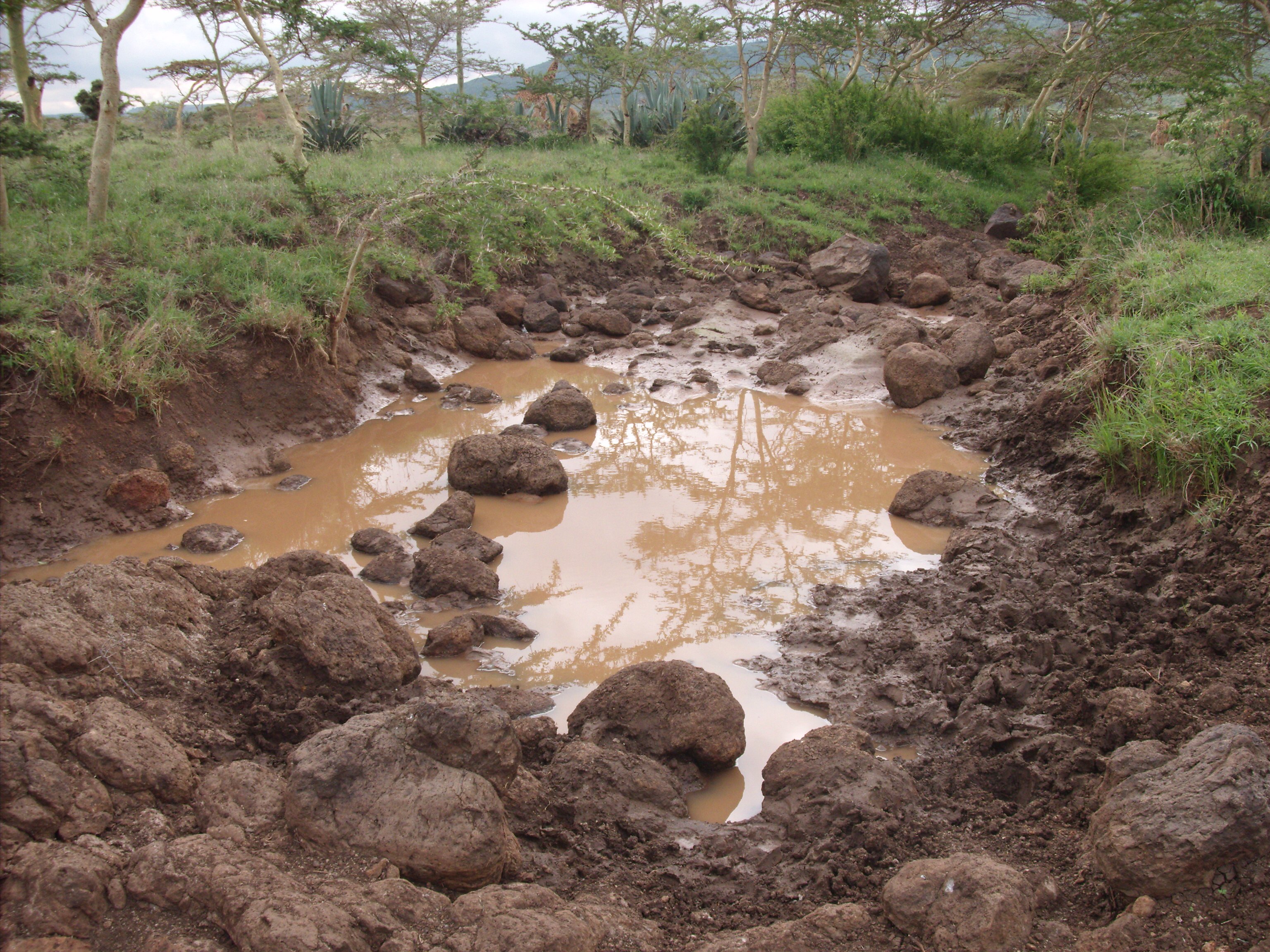
Before there were seven water wells, there were pools of stagnant water (as pictured below). This was the place where Maasai women and often wildlife sought their nourishment. It was common to discover animal waste in or around these pools.
Days after the start of 2025, I and my MCEP Associates received an email from Francis ole Sakuda, our Maasai NGO partner:
The wells have transformed our Maasai village with education and the youths are engaged in growing tomatoes and onions for local markets, leading to creation of jobs. This has led them away from drug use and alcohol.
President Carter had vowed to eliminate the disease before his death. A few days after he transitioned, a cable news journalist commented that on the day of President Carter’s death, there were only 5 reported cases of Guinea Worm disease.
Kenya had also suffered from dracunculiasis but by 2018 the country was declared free of Guinea Worm.
WATER IS LIFE

Heaven has saved a special place for former President Jimmy Carter.


 The Bucks Underground Railroad